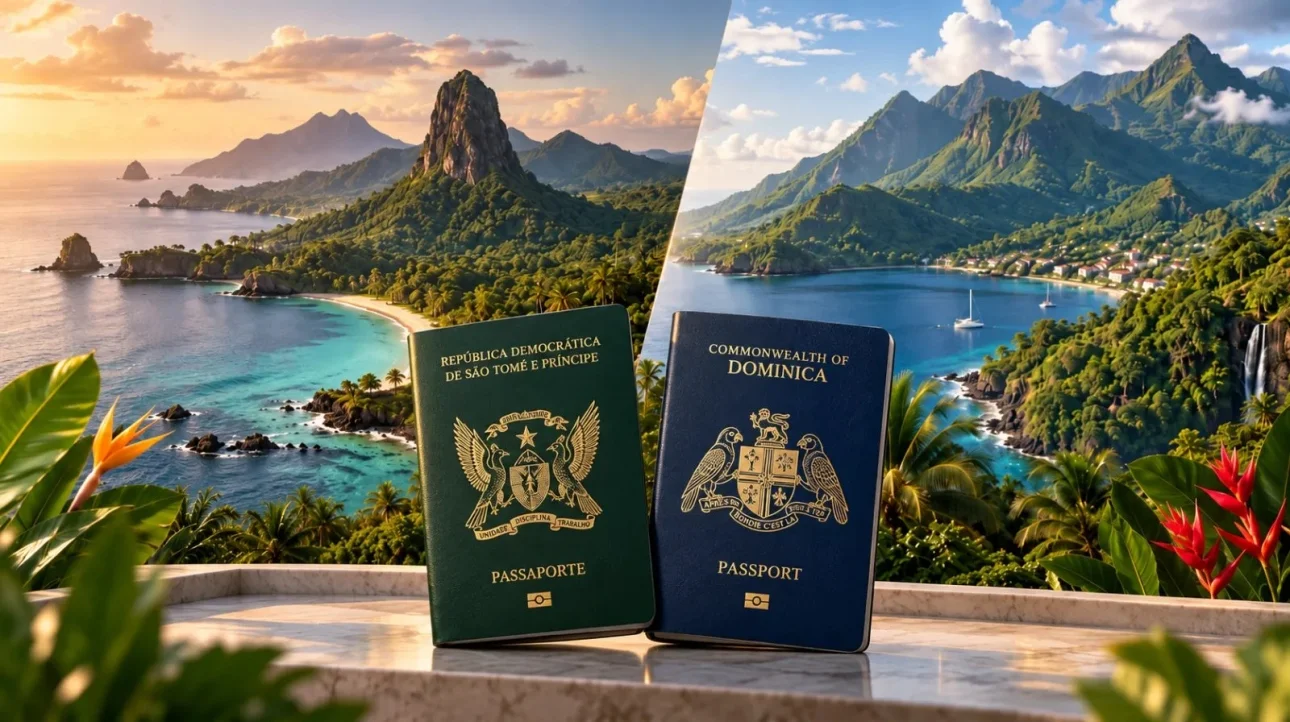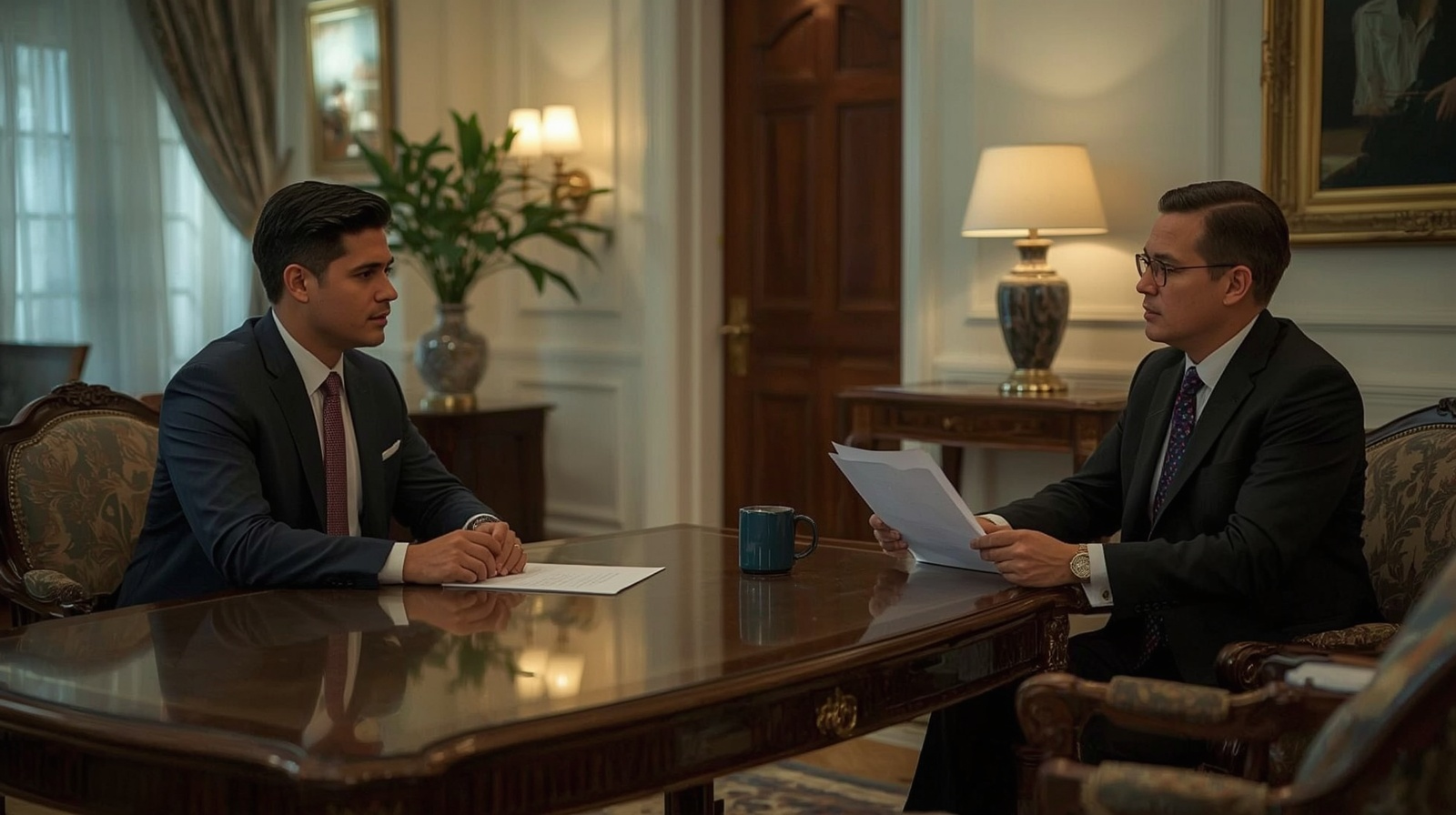
If you are applying for Caribbean citizenship by investment, the safest assumption today is that an interview may be part of the process, and in some programs it is clearly mandatory. In practical terms, interviews are now used as an extra layer of identity verification and due diligence, not as a casual formality. Dominica requires all applicants aged 16 and over to attend a mandatory interview, usually conducted virtually. Grenada states that an online interview is conducted as part of the due diligence process. Saint Lucia says applications are subject to an interview in person or virtually as part of a stronger integrity framework.
Key Takeaways
- Interviews in Caribbean CBI are part of due diligence and identity verification, not just a routine conversation.
- In Dominica, all applicants aged 16 and older must attend a mandatory interview, and it is usually conducted virtually.
- In Grenada, an online interview is conducted as part of the due diligence process.
- In Saint Lucia, applications have been subject to an interview in person or virtually since September 1, 2023.
- A good interview outcome usually depends less on “performing well” and more on whether your answers match your documents, your source of funds, and the story already presented in your file.
Why These Interviews Exist
The interview is there to strengthen program integrity. Official Caribbean sources describe it as part of the wider due diligence process, which means the government is not simply checking whether you are polite or confident. It is checking whether your identity, background, financial profile, and application narrative hold together under closer review. Saint Lucia describes the interview as an additional layer of protection, while Dominica directly links interviews to its enhanced due diligence framework and file evaluation process.
That is why interviews matter even for strong applicants. The real purpose is consistency, credibility, and verification.
How the Main Programs Handle Interviews
The general trend is clear, but the rules are not identical across every jurisdiction.
| Program | Interview format | Key rule |
| Dominica | Usually virtual | Mandatory for all applicants aged 16+ |
| Grenada | Online | Conducted as part of due diligence |
| Saint Lucia | In person or virtual | Applies at the due diligence stage |
Dominica’s official FAQ says all applicants aged 16 and over must attend a mandatory interview and that the fee is US$1,000 per interview. Grenada’s official enquiries page says an online interview is conducted as part of the due diligence process. Saint Lucia states that, effective September 1, 2023, applications are subject to an interview in person or virtually once the application reaches the due diligence stage.
The practical takeaway is simple: interview preparation is no longer optional planning. It is part of responsible case preparation.
What the Interview Usually Covers
Official sources do not publish a universal script, but they make the purpose clear enough to infer the likely focus areas. If the interview is part of identity verification and due diligence, then the questions will usually revolve around the same topics the authorities are already reviewing in the file: who you are, how you earned your money, whether your background is clear, and whether your documents and answers are consistent.
Applicants should expect questions around:
- Identity and personal background
- Employment or business activity
- Source of funds or wealth
- Family structure and included dependants
- Reason for applying
- Details already declared in the forms
This is why improvisation is a bad strategy. The interview should confirm the file, not introduce a new version of it.
What a Good Interview Preparation Process Looks Like
Good preparation is not about sounding impressive. It is about being accurate, calm, and fully aligned with the documents already submitted. Most interview problems do not come from one difficult question. They come from inconsistencies between what the applicant says and what the file already shows.
The best preparation habits are:
- Review your application forms before the interview
- Re-read your source-of-funds explanation
- Know the basic details of your business, employment, and financial history
- Make sure dates, names, and key background facts are consistent
- Ask your agent to walk you through the likely interview focus areas
If the file is well built, the interview usually becomes a confirmation step rather than a stress test.
Common Mistakes Applicants Make
Applicants often create problems by treating the interview as symbolic instead of substantive. They assume the documents matter and the interview does not, when in reality, the interview is one of the places where inconsistencies become visible. Others forget that even a virtual interview is still part of a legal compliance process.
Common mistakes include:
- Giving answers that do not match the submitted documents
- Speaking vaguely about the source of funds
- Forgetting what was declared in the application
- Treating the interview casually because it is online
- Assuming confidence matters more than consistency
Does a Virtual Interview Make the Process Easier?
It makes the process more convenient, but not less serious. Virtual interviews reduce travel friction, which is clearly helpful for applicants abroad. But the compliance purpose stays the same. Dominica, Grenada, and Saint Lucia all make clear in different ways that remote handling and virtual interviews do not reduce the level of scrutiny applied to the case.
So yes, the format may be easier. The standard is not.
Final Thought
Mandatory interviews in Caribbean CBI applications are now a normal part of a more compliance-driven process. For applicants, the smartest mindset is not to fear the interview and not to underestimate it either. If your file is honest, complete, and internally consistent, the interview should reinforce your application rather than damage it. The real preparation is not memorizing perfect answers. It is making sure the truth in your documents is the same truth you speak in the interview.