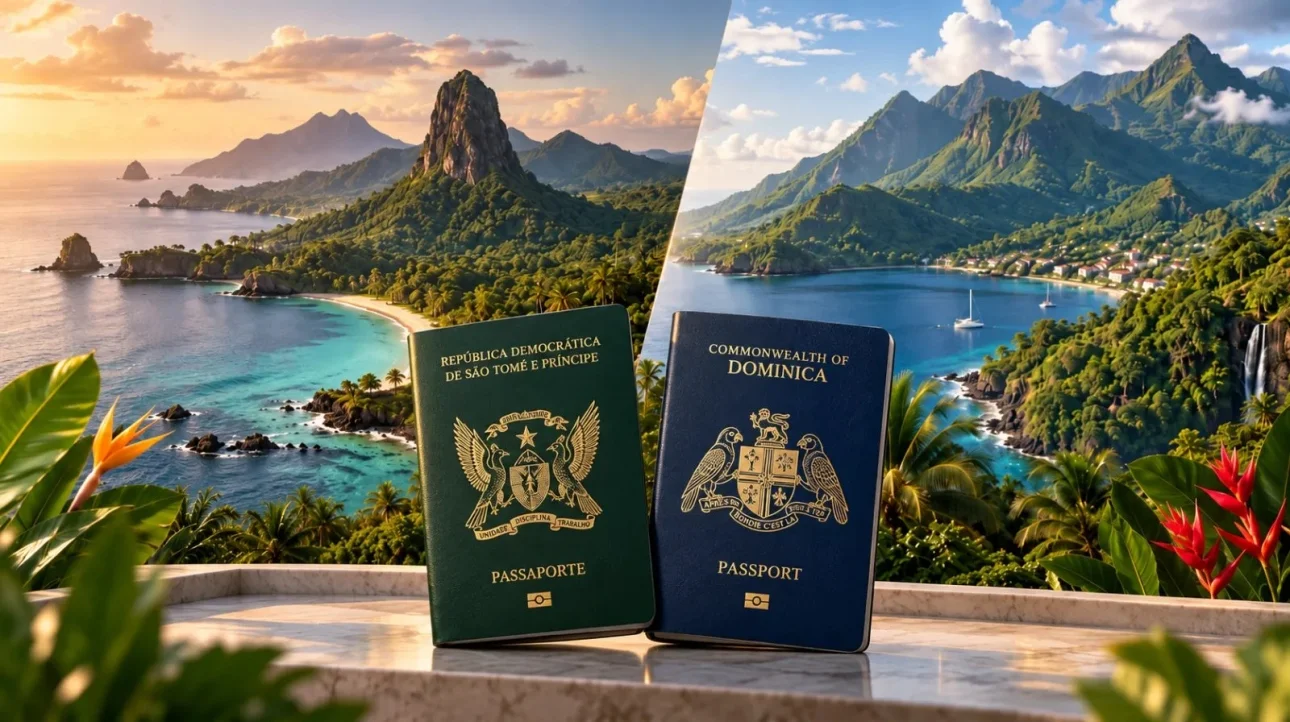
Yes, Caribbean citizenship can be revoked, but not in the casual way many people imagine. In most programs, revocation is not something that happens because a government changes its mood, an investor becomes inactive, or a passport holder simply chooses to live elsewhere. The real legal risk usually appears when citizenship was obtained through fraud, concealment, false documents, unlawful financing, or conduct that creates a serious legal or national-security problem. That is why the better question is not “Can it be revoked?” but “What actually puts a citizenship at risk?”
Key Takeaways
- Caribbean citizenship can be revoked, but usually only on defined legal grounds.
- The biggest risk is not ordinary life after citizenship. It is what happened during the application.
- Fraud, misrepresentation, forged documents, concealed criminal issues, and unlawful financing are among the most serious triggers.
- In some jurisdictions, the law also provides notice, written grounds, or a right to challenge the decision.
- Selling property after the required holding period or stopping economic activity after all obligations are met does not usually create revocation risk by itself.
The Short Answer: Yes, but Only for Serious Reasons
A second passport is not supposed to be fragile. In well-structured programs, citizenship is a legal status, not a temporary reward. That is exactly why revocation is usually treated as an exceptional remedy rather than a routine administrative tool.
| What usually can put citizenship at risk | What usually does not put it at risk by itself |
| Fraud or false statements | Living outside the country |
| Concealment of criminal history | Traveling frequently |
| Forged or misleading documents | Selling qualifying property after the required holding period |
| Unlawful or prohibited funding arrangements | No longer having business activity after obligations are met |
| Serious security or sanctions-related issues | Simply not being active in the country’s economy |
The most important distinction is this: revocation risk usually comes from illegitimacy, not from ordinary post-citizenship life.
The Main Legal Grounds for Revocation
Across the Caribbean CBI space, the same legal themes appear again and again. Different countries express them in different statutory language, but the structure is familiar.
1) Fraud or deceit
This is the clearest and most common ground. If citizenship was obtained by fraud, deception, or false representation, revocation becomes a real possibility.
2) Concealment of material facts
Not every risk comes from an active lie. In many cases, the problem is what was left out: a criminal issue, a sanctions connection, a prior immigration refusal, or another fact that should have been disclosed.
3) Forged or misleading documentation
A passport application can survive complexity, but it does not survive forged paperwork well. Fake bank records, manipulated employment letters, false civil documents, or misleading financial evidence are among the most serious risks in any CBI file.
4) Serious legal or national-security concerns
Where a file later becomes linked to serious crime, terrorism, sanctions exposure, or conduct seen as a threat to the integrity of the program or the state, revocation risk becomes much more realistic.
These are the categories applicants should worry about—not myths, rumors, or vague online anxiety.
What Applicants Often Get Wrong
One of the biggest misconceptions is that Caribbean citizenship can be taken away for small, everyday reasons. That belief usually comes from misunderstanding the difference between compliance breach and normal life after approval.
Common myths include
- “If I do not live in the country, I could lose the citizenship.”
- “If I sell my property later, my citizenship could be canceled.”
- “If the government changes, old citizenships might be reversed.”
- “If I stop doing business there, the passport becomes unsafe.”
- “Citizenship is guaranteed forever no matter how it was obtained.”
The reality is more balanced than both extremes. Citizenship is not casually revocable, but it is also not untouchable if the original application was defective or dishonest.
Where the Real Risk Usually Starts
For most applicants, the greatest revocation risk begins before citizenship is granted. In other words, the revocation problem is often born inside the application itself.
A weak file may still get through if the issue is not detected at first. But if the underlying problem surfaces later—whether through a compliance review, a sanctions development, a project investigation, or a deeper look at the transaction trail—the risk can return long after the passport has been issued.
The biggest early-stage risk areas are usually
- Source of funds that does not hold up under scrutiny
- Hidden third-party financing or illegal discounting
- Undisclosed criminal or regulatory history
- Misleading personal or business background
- Dependants included on a weak or unsupported basis
- Documents that were inconsistent but not caught early
This is why revocation is often better understood as a delayed consequence of a bad file, not as a random post-approval event.
Why Source of Funds Matters So Much
Source of funds is especially important because it sits at the center of both approval risk and revocation risk. If the financial story was inaccurate, incomplete, or artificially structured to look cleaner than it really was, that problem may not disappear after citizenship is granted.
For example, if a program later finds that an applicant benefited from a prohibited discount, undisclosed owner financing, or another illegal arrangement, the issue is not simply financial. It goes to the legality of how citizenship was obtained.
Financial red flags that can become dangerous later
- Unexplained third-party deposits
- Fake or manipulated bank evidence
- Undisclosed side agreements
- Illegal discounting arrangements
- Unclear beneficial ownership
- A source-of-funds narrative that does not match the transaction record
The practical lesson is simple: if the money story is weak, the citizenship story may remain vulnerable too.
Does Selling Property Put Citizenship at Risk?
This is one of the most common fears, and it is usually misunderstood. Selling property after the required holding period is not the same as breaching the program. If the investment route required a certain holding period and that obligation was properly met, a later sale does not usually create revocation risk on its own.
The real issue is different: if the property arrangement was never compliant in the first place—because of hidden financing, illegal rebate structures, or other prohibited practices—then the risk is not the sale. The risk is that the citizenship may have been obtained through a defective investment structure from the start.
Does the Law Usually Provide Any Protection?
In several Caribbean systems, revocation is not supposed to happen in a lawless or invisible way. Programs often include formal procedures, written grounds, and in some cases a right to be heard or to appeal.
That matters because it shows revocation is not intended to be arbitrary. It is a legal process. The existence of due process does not remove risk, but it does reinforce an important point: these programs are designed to revoke citizenship for serious legal reasons, not for casual or political convenience.
How to Reduce Revocation Risk from the Beginning
The best revocation strategy is not post-citizenship damage control. It is building a case that never creates the problem in the first place.
A practical risk-reduction checklist
- Disclose fully, even where an issue feels uncomfortable
- Build a clean, documented source-of-funds story
- Avoid informal side arrangements or “special deal” structures
- Make sure every supporting document is genuine, consistent, and verifiable
- Use a compliance-led process rather than a purely sales-led one
- Treat approval as a legal outcome that has to survive scrutiny later
Applicants who think only about getting approved often miss the real objective. The stronger goal is to get approved in a way that still looks solid years later.
Final Thought
Yes, Caribbean citizenship can be revoked, but usually only when something serious has gone wrong—especially fraud, concealment, forged documentation, unlawful financing, or major security concerns. For most genuine applicants, the real danger is not ordinary life after citizenship. It is a weak application built on shortcuts, omissions, or questionable financial structure. The best way to protect a passport later is to make sure the file was defensible from the very beginning.