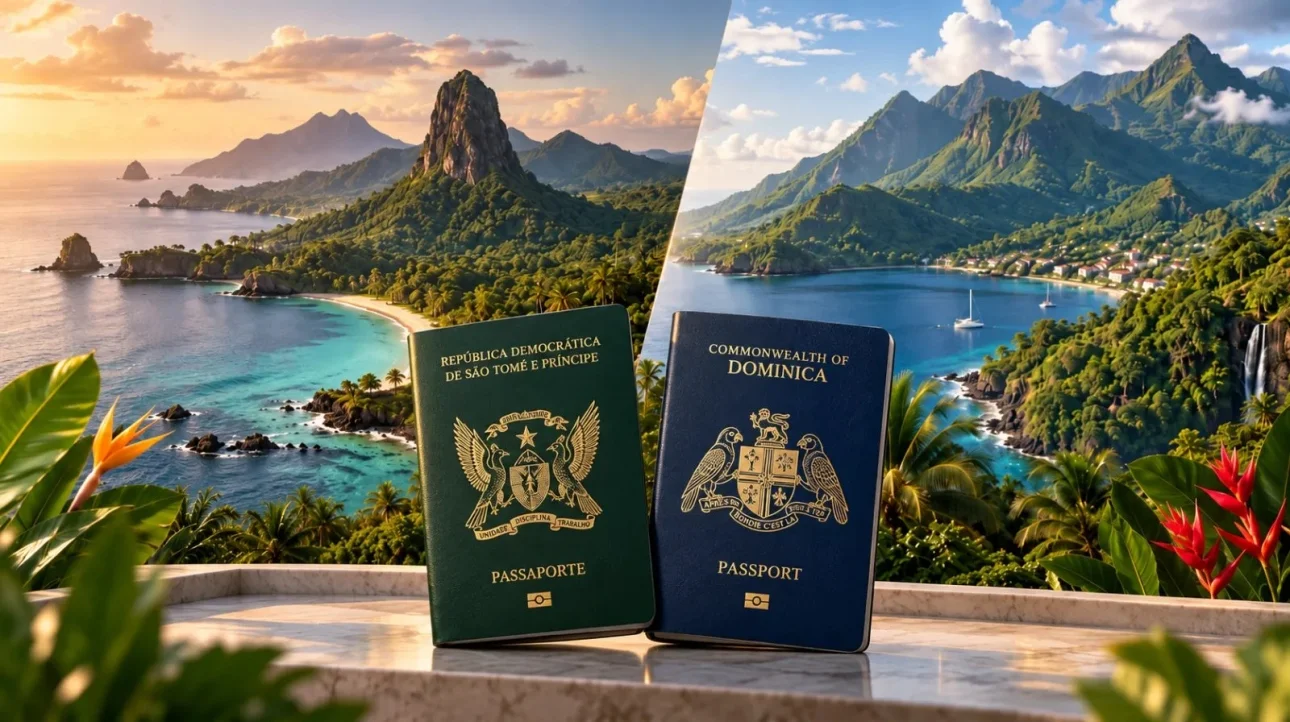
If you are applying as a family, there is no single “best” Caribbean citizenship program for everyone. The right choice depends on who you want to include. Some programs are better for adult children, some are stronger for parents and grandparents, and some stand out because they allow siblings or unusually flexible future family additions. In practical terms, Antigua and Barbuda is one of the broadest family programs on paper, Dominica is clear and structured but stricter on parent age, Saint Lucia is strong for supported adult children and certain parents, Grenada is broad in how it describes dependents, and St. Kitts and Nevis remains competitive for families with dependent children and parents over 55.
Key Takeaways
- Antigua and Barbuda is one of the most flexible family programs because it includes spouse, financially dependent children up to 30, parents or grandparents aged 55+, unmarried siblings, and even certain future family categories.
- Dominica is strong for traditional family structures, but it is stricter on older generations because parents and grandparents must be over 65 and substantially supported.
- Saint Lucia is attractive for families with supported adult children and for cases involving a parent of any age who is physically or mentally challenged, but sibling eligibility is narrower because it only covers an unmarried sister or brother below 18.
- Grenada stands out because its official FAQ describes dependants broadly as a financially dependent spouse, children, parents, grandparents, and siblings.
- St. Kitts and Nevis works well for families with dependent children under 30 and parents or grandparents aged 55+, and it also has a clearly published post-citizenship addition route.
The Fastest Way to Compare the Programs
The cleanest way to compare family-friendly CBI programs is to look at what each country clearly allows.
| Program | Spouse | Adult children | Parents/grandparents | Siblings |
| Dominica | Yes | 18–30 if in higher education and fully supported; unmarried daughter under 25; disabled child 18+ | Over 65 and substantially supported | No |
| Antigua & Barbuda | Yes | 0–30 if financially dependent; disabled child 18+ | 55+ and financially dependent | Yes, if unmarried |
| Grenada | Yes | Children are included if financially dependent | Parents and grandparents are included if financially dependent | Yes |
| Saint Lucia | Yes | 21 and under, or up to 30 if fully supported; disabled child of any age | Parent 55+ fully supported; disabled parent of any age | Yes, but only an unmarried sibling under 18 |
| St. Kitts & Nevis | Yes | Under 30 if financially dependent | Parents or grandparents 55+ if dependent | Not clearly defined in the main family FAQ |
That table already shows the real pattern: Antigua and Grenada are broader, Dominica is more structured, and Saint Lucia is nuanced rather than loose.
Which Program Is Best for Adult Children?
If adult children are the main issue, Antigua and Barbuda, Dominica, Saint Lucia, and St. Kitts and Nevis are all viable, but they do not work in the same way. Antigua allows children up to 30 if financially dependent. Dominica allows children between 18 and 30 if they attend a recognized institution of higher learning and are fully supported, and it also allows an unmarried daughter under 25 who is living with and fully supported by the applicant. Saint Lucia allows a child up to 21 as a qualifying dependent, and also up to 30 if fully supported. St. Kitts and Nevis allows children under 30 if financially dependent.
Best fit for adult children usually looks like this:
- Antigua and Barbuda: broad and simple on age range
- Saint Lucia: strong if support can be shown clearly
- Dominica: good for university-age children, but more structured
- St. Kitts and Nevis: practical if the child is still financially dependent
Which Program Is Best for Parents and Grandparents?
This is one of the biggest decision points for family applicants. Dominica requires parents and grandparents to be over 65, which makes it more restrictive than some competitors. Antigua and Barbuda starts at 55, and Saint Lucia also uses 55 for parents, while additionally allowing a parent of any age if physically or mentally challenged and fully supported. St. Kitts and Nevis also uses 55 and above for dependent parents or grandparents. Grenada’s public FAQ is broader in wording and simply says that financially dependent parents and grandparents can be included.
For applicants whose main priority is bringing older parents, Antigua, Saint Lucia, and St. Kitts and Nevis usually deserve attention before Dominica, simply because the age threshold is more favorable.
Which Program Is Best if Siblings Matter?
This is where the programs separate very clearly. Dominica does not include siblings in its dependent definition. Saint Lucia only allows an unmarried sister or brother who is below 18 and has the required parental or guardian consent. Antigua and Barbuda is much broader because it allows an unmarried sibling of the main applicant or spouse. Grenada also explicitly says siblings can be included as financially dependent dependants.
If siblings are important, the strongest options are usually:
- Antigua and Barbuda
- Grenada
Saint Lucia is more limited, and Dominica is not the natural fit for that family profile.
Which Program Feels Most Family-Flexible Overall?
If “family flexibility” means the broadest menu of dependents and future additions, Antigua and Barbuda is arguably the most expansive on paper because it includes not just spouse, children, parents, grandparents, and unmarried siblings, but also a future spouse and even certain future family categories tied to dependent children. St. Kitts and Nevis also deserves credit here because it has a clearly defined post-citizenship addition route for a new spouse, newborn child, eligible later-born child, and an eligible parent who reaches the age threshold later.
By contrast, Dominica is strong but more conservative, and Saint Lucia is flexible in some categories while remaining narrower in others, especially on siblings.
Final Thought
The best Caribbean citizenship program for families is not the one with the loudest branding. It is the one that matches your actual family structure. If you need maximum flexibility, Antigua and Barbuda is hard to ignore. If you care about siblings, Grenada and Antigua stand out. If you need to support adult children or disabled parents carefully, Saint Lucia is worth serious attention. If your family structure is more traditional and straightforward, Dominica and St. Kitts and Nevis remain strong options. The smartest way to choose is not to ask which program is “best” in general, but which one is best for your dependents.