Living in Dominica is not the same as buying a Caribbean lifestyle brochure. It is a quieter, greener, and more practical experience than many people expect. For the right person, that is exactly the appeal. Dominica offers an English-speaking environment, a nature-first way of life, residency pathways, and even a remote-work option through the Work In Nature (WIN) Extended Stay Visa, which allows eligible remote workers to stay for up to 18 months. At the same time, it is still a small island with a slower pace, simpler infrastructure, and daily life that suits people who value calm, space, and long-term flexibility more than nonstop urban convenience.
Key Takeaways
- Dominica is best suited to people looking for a slower, nature-led lifestyle, not a high-density luxury-city experience.
- English is the official language, and the local currency is the Eastern Caribbean dollar (XCD).
- Remote workers can use the WIN Extended Stay Visa to live in Dominica for up to 18 months.
- Non-nationals who want to work in Dominica generally need a work permit, and a work permit lasting more than six months automatically confers residency status.
- Permanent residence is generally tied to five years of residence or employment in Dominica, subject to ministerial discretion.
- Children accompanying residents, work permit holders, or citizens can attend school with the relevant proof of status.
What Daily Life in Dominica Actually Feels Like
Dominica markets itself as the Nature Isle of the Caribbean, and that is more than branding. The official descriptions emphasize dense rainforest, waterfalls, hot springs, volcanic terrain, and a lifestyle shaped more by landscape than by large-scale urban development. If you are moving there, the biggest adjustment is usually not legal or financial. It is lifestyle rhythm. Dominica is better for people who want space, fresh air, and a smaller community feel than for people who expect a fast, highly serviced metropolitan environment.
Dominica tends to suit people who value:
- A quieter daily pace
- Proximity to nature
- Smaller communities
- Outdoor living
- Less density and less noise
The Basics You Should Know First
Before thinking about permits or long-term plans, it helps to understand a few everyday fundamentals.
| Topic | What to know |
| Language | English is the official language; Creole French is also widely spoken |
| Currency | Eastern Caribbean dollar (XCD) |
| Education | Primary, secondary, and college-level education are available |
| Time zone | Atlantic Standard Time |
| Driving | Left-hand side of the road |
| Weather | Warm tropical climate |
These basics may sound simple, but they shape how quickly someone adapts to day-to-day life. For many international residents, the fact that English is the official language makes Dominica easier to navigate than people initially assume.
Your Main Living Options: Short Stay, Remote Work, or Residency
Dominica offers a few different ways to spend meaningful time on the island, and the right one depends on what you are actually trying to do there.
1) If you want to live there while working remotely
The clearest route is the Work In Nature (WIN) Extended Stay Visa, which allows remote workers and their families to relocate to Dominica for up to 18 months. This is one of the most practical options for people who want to test life in Dominica without immediately pursuing long-term residence.
2) If you want to work locally
Non-nationals who want to work in Dominica generally need a work permit from the Labour Division. Invest Dominica states that all work permits are valid for one year, can be renewed, and that a work permit for employment longer than six months automatically confers residency status.
3) If you want to stay long term
The government’s residency guidance says an applicant for permanent residence should have been resident or employed on the island for five years, subject to ministerial discretion.
A simple way to think about the options:
- WIN visa: best for remote workers testing island life
- Work permit + residency: best for people taking up local employment
- Permanent residence: best for people planning a genuine longer-term move
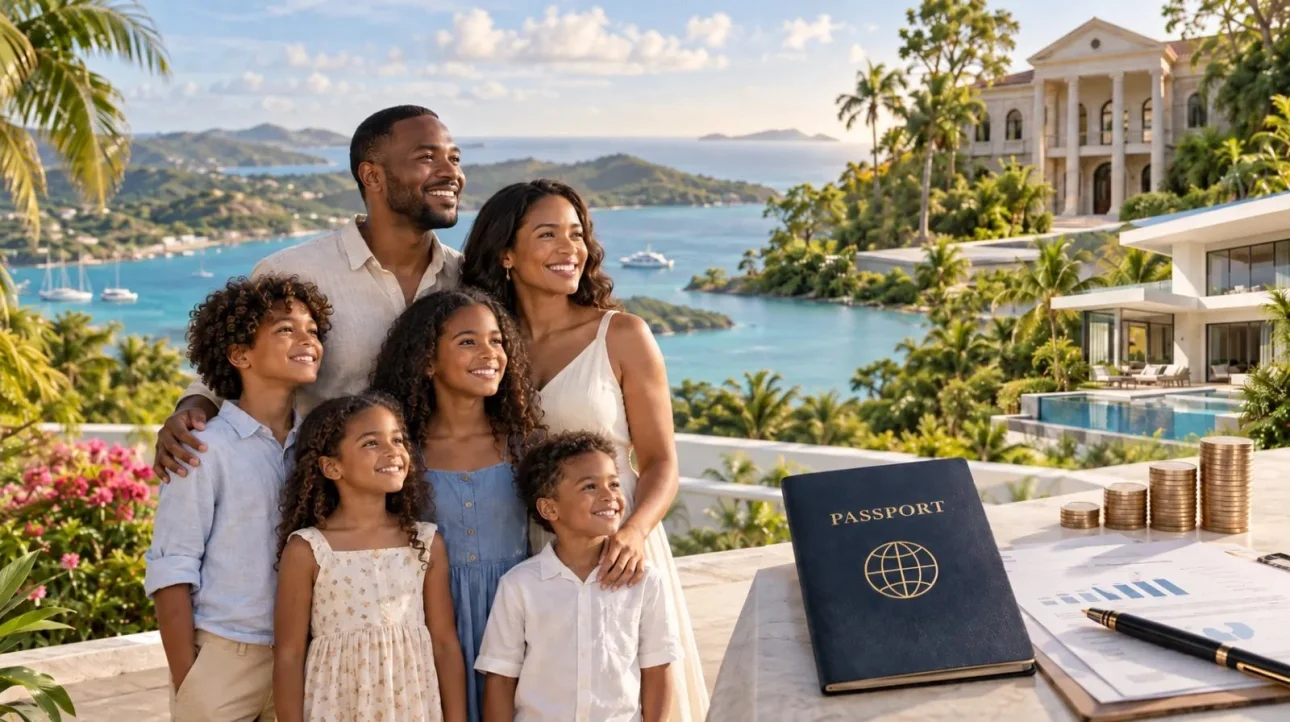
What Families Should Keep in Mind
If you are thinking beyond solo relocation, Dominica becomes more attractive as a family option. Invest Dominica’s FAQ states that children travelling with someone who holds work-permit, resident, or citizen status can attend school, provided the proper proof of status is submitted.
Family-related practical points include:
- School access is possible with the right legal status
- The island is English-speaking, which can reduce transition friction
- A quieter environment may appeal to families seeking less pressure and more outdoor life
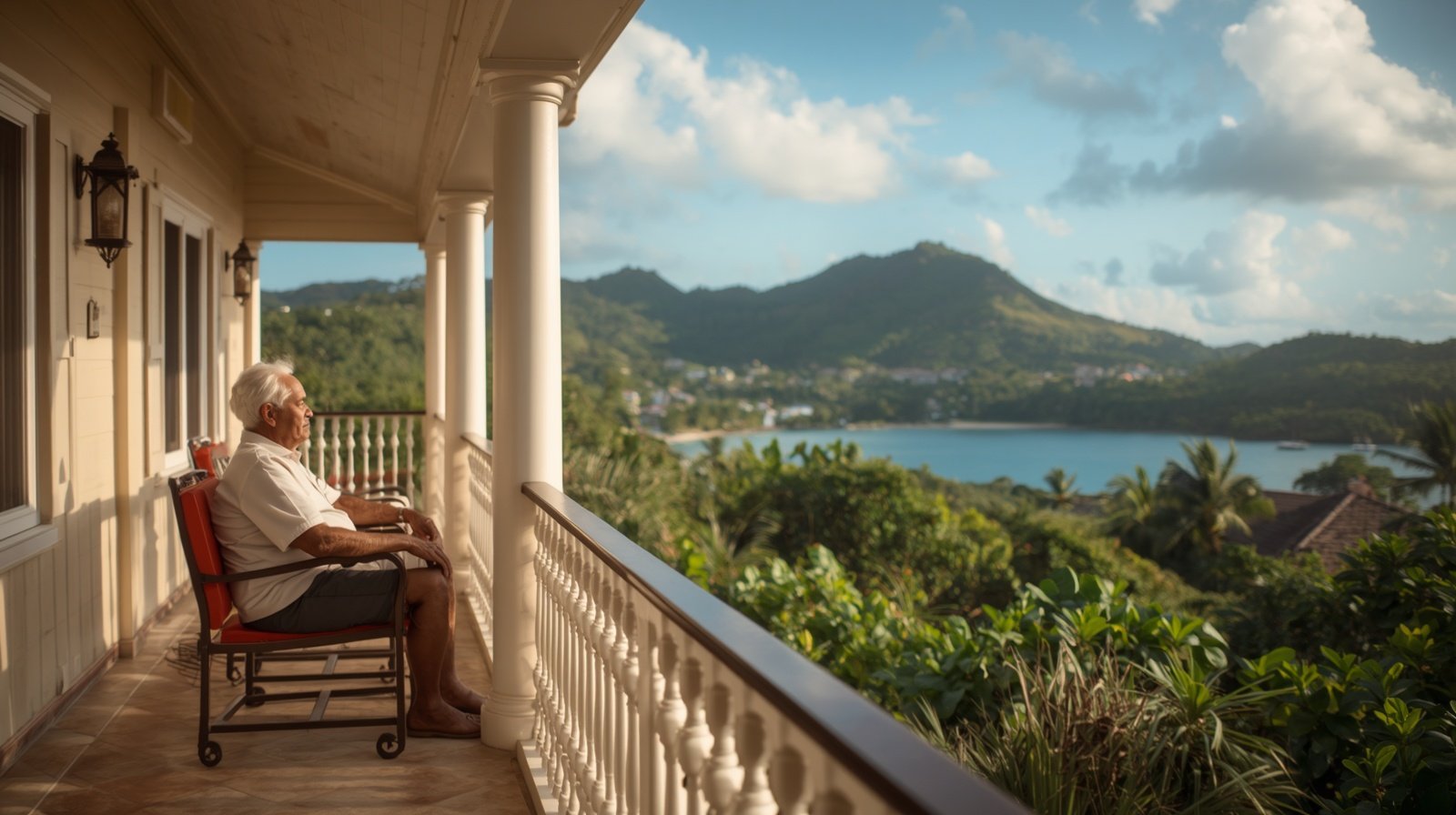
Is Dominica a Good Place to Retire or Spend Part of the Year?
For the right profile, yes. But the answer depends on what “good” means to you. Dominica is likely to feel attractive to retirees or part-time residents who want peace, greenery, and lower-density living. It is less likely to appeal to someone who wants a highly urbanized retirement experience with constant high-end entertainment, large expat districts, or major-city convenience. Invest Dominica’s “Life in Dominica” page leans into this same distinction by emphasizing quality of life, natural surroundings, and long-term affordability rather than a luxury-city narrative.
Dominica may be a strong fit if you want:
- A calm environment
- A place to spend meaningful time, not just vacation days
- Outdoor access and scenic surroundings
- A slower and more grounded lifestyle
The Most Important Expectation to Get Right
The biggest mistake people make with Dominica is expecting it to behave like a larger Caribbean hub. It is not trying to be that. Its appeal comes from a different place: authenticity, natural beauty, lower density, and a lifestyle that feels more lived-in than curated. That is why it can be an excellent fit for some people and the wrong fit for others.
Final Thought
Dominica makes the most sense for people who are intentionally choosing a simpler, greener, and more grounded way of living. If you want an island base, a remote-work chapter, a retirement environment with less noise, or a place to spend time without the pressure of a big-city lifestyle, it is worth serious consideration. But the best way to evaluate Dominica is honestly: not as a fantasy destination, but as a real place with a real rhythm. For the right person, that is exactly what makes it valuable.